When to Consider a Root Canal Over a Tooth Extraction
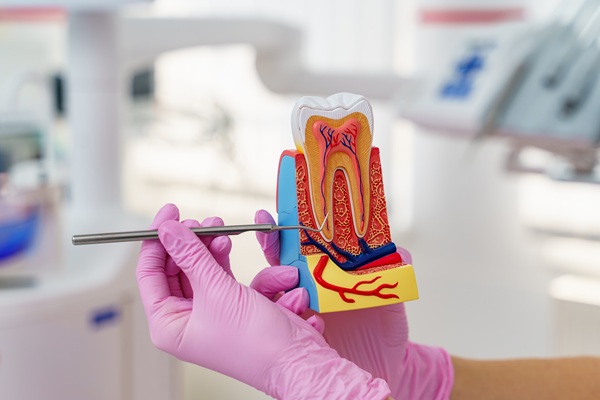
A root canal treatment removes an infection inside a tooth while preserving the natural structure of the tooth. Tooth extraction, on the other hand, removes the entire tooth, which ends pain but leaves a gap that can affect speech, bite force, and alignment. While the dentist will always aim to preserve the natural tooth, the choice between the two procedures ultimately depends on the severity of the tooth vulnerability.
When a root canal makes sense
The dentist will consider a root canal when the tooth has a restorable structure above the gumline and healthy support in the bone and gums. Cracks or deep decay that have reached the nerve often respond well if the remaining walls can hold a permanent restoration, such as a crown. Patients with sudden temperature sensitivity, lingering pain to sweets, biting discomfort, or a pimple-like gum bump near the tooth may have pulp inflammation or infection, which a root canal can address.
To see the true extent of a fracture or decay, the dentist will order X-rays and vitality tests guide the diagnosis and help map the canals, especially in molars with complex anatomy. However, common indicators that the inner pulp is compromised include:
- Pain when chewing
- Prolonged cold sensitivity
- Swelling near one tooth
Teeth with intact roots and sufficient enamel margins can receive crowns that protect against future fractures. Further, single-tooth problems in an otherwise stable bite often function predictably after therapy and a well-fitted crown. Together, these factors point toward saving the natural tooth, supporting normal chewing, and a familiar feel.
After treatment, placing a custom crown restores strength and helps seal the tooth's margins against new decay. The dentist may use a temporary crown between visits, followed by the final, custom crown. Routine checkups, usually every six months, confirm stable bite contacts and healthy gums around the treated tooth.
When extraction may be appropriate
Extraction may be the better choice if the fracture extends below the gumline, the tooth lacks sufficient structure for a stable crown, or mobility indicates compromised bone support. Severe vertical root fractures, nonrestorable decay under the gum, or repeated infections despite prior treatment can make removal more practical. Medical considerations also matter, as some patients may need to defer elective procedures until their condition stabilizes.
When extraction is the plan, the dentist will discuss the timing of replacement options. Implants help preserve bone, while bridges and partial dentures restore appearance and function when implants are not suitable. Decisions should fit oral health, budget, and long-term maintenance preferences.
Schedule an appointment
A thorough exam, X-rays, and a bite assessment help determine whether a root canal or extraction is appropriate for the tooth's condition and personal goals. Ask about prognosis, costs, and the steps required for full restoration, including the need for a crown after therapy or a replacement after removal. For more information or to schedule an appointment, call our office.
To schedule a consultation, please request an appointment on our website at https://www.yourlosangelesdentist.com or call Lida Davani, DDS at (310) 402-2149 to arrange an appointment at our Los Angeles office.
Check out what others are saying about our dental services on Yelp: Root Canal Treatment in Los Angeles, CA.
Related Posts
A root canal treatment can restore your tooth. It is an invasive treatment that aims to remove the damaged or infected pulp. But what should you do after this outpatient procedure? Here are the details on what will happen after a root canal.The dentist will suggest waiting until the effects of the anesthesia fade before…
Seeking urgent dental care at the first sign of a serious oral problem prevents minor issues from escalating into permanent damage or total tooth loss. While some dental discomfort resolves with better hygiene, other symptoms signal a deep infection or structural trauma that needs attention right away. Recognizing these five warning signs early helps a…
When a sports-related collision or fall occurs, an emergency dentist helps protect teeth, gums, and the jawbone from lasting harm. Dental trauma often looks minor at first, yet hidden cracks or nerve injuries may develop quickly. Acting fast supports comfort now and better outcomes later. Knowing what first steps to take can make all the…
Emergency dentistry for a root canal is sometimes the only way to relieve your pain. Some patients may have a root canal scheduled for a future date, but they find themselves in severe pain at an inconvenient time because of tooth pain. There may even be times when a patient may not realize they need…